Trees planted when a house was built can easily double in size over twenty years. Gardens get darker, lawns struggle, and branches start to brush gutters and windows.
Pruning lets you keep the tree while solving the problem it's causing.
How we help
Crown reduction shortens the outer branches to reduce the overall height and spread while keeping a natural shape.
Crown thinning removes a proportion of smaller inner branches so more light and wind pass through. Crown lifting removes the lower branches to clear roofs, paths, driveways or lawns.
Deadwooding removes dead or broken branches that could fall. Most jobs combine two or three of these.
What's included
Agreeing the finished shape and size before any cutting
Crown reduction, thinning, lifting or deadwooding
Cuts made at proper growth points, not stubs
Clearing of all cuttings from the garden
Useful for
Gardens that have become shaded and damp
Branches touching roofs, gutters, windows or cables to the house
Low branches over driveways and footpaths
Fruit and ornamental trees that need shaping
Trees that catch a lot of wind
Before we start
Safety, access and permissions
Every site is different. These are the things that shape how a job is done — and what it costs.
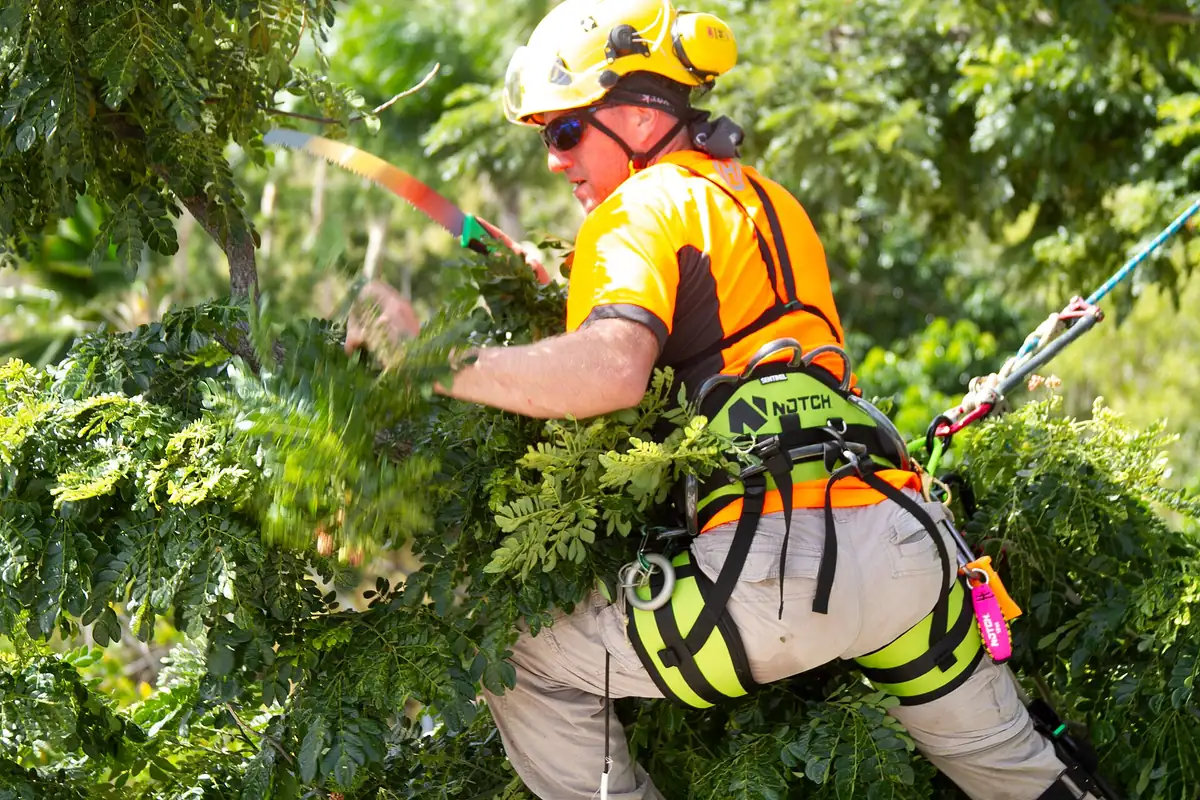
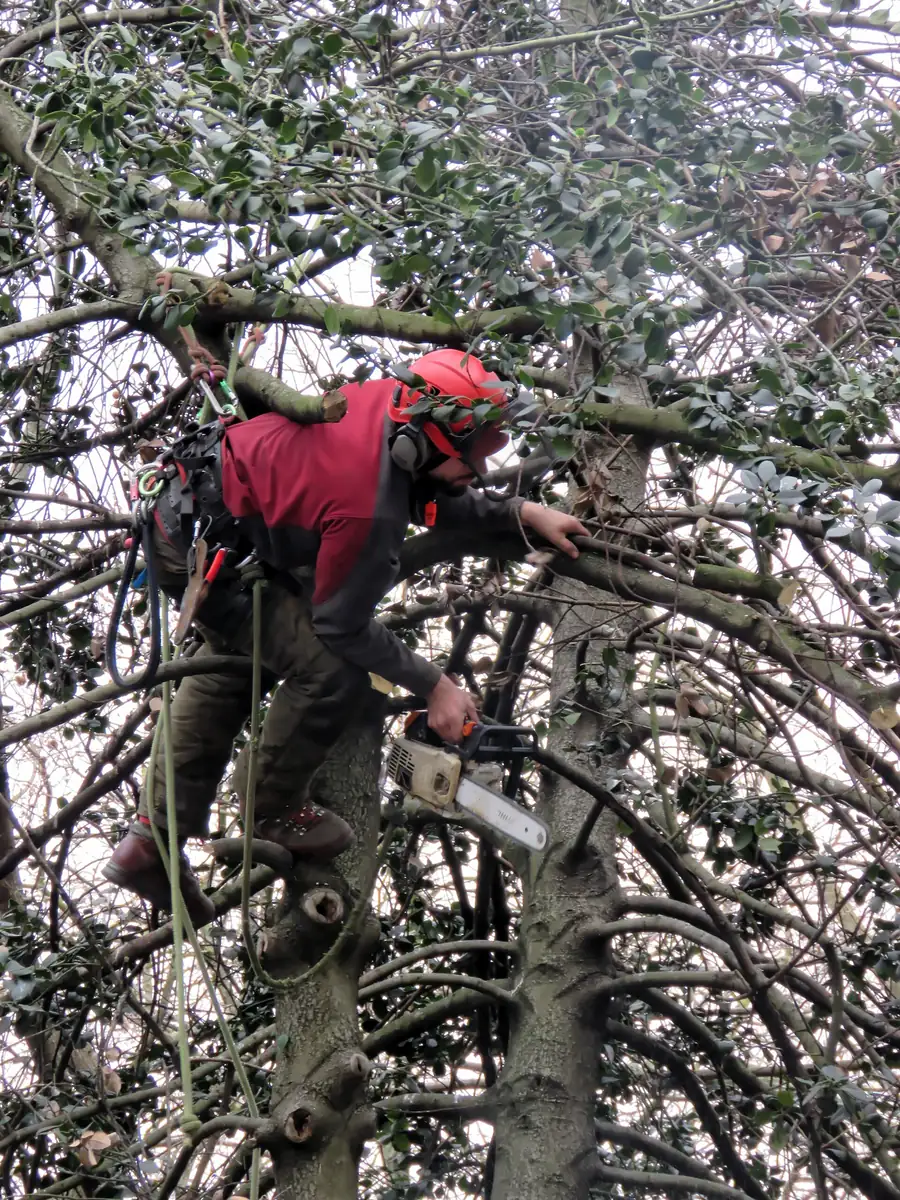
Pruning above head height means working at height with cutting tools, not a job for a stepladder.
Not every tree takes heavy reduction well. Some species respond badly to hard cutting, and we'll say so if that's the case.
Protected trees need council consent even for pruning.
Green waste: Whether green waste is taken away, chipped on site or left neatly for your brown bin depends on the job. We'll set this out clearly in your quote so there are no surprises.
The process
How the job works
01
Step 1: Photos or visit
Show us the tree and tell us what's bothering you about it.
02
Step 2: Agree the shape
We describe what will be cut and what the tree will look like after.
03
Step 3: Pruning
Branches are cut back to suitable points and lowered safely.
04
Step 4: Clean up
Cuttings are cleared from lawns, beds, paths and gutters.
What's the difference between crown reduction and topping?
Crown reduction cuts branches back to healthy side growth so the tree keeps a natural shape. Topping chops the top off at a set height, which tends to cause weak regrowth and decay. We don't recommend topping.
How much can you take off?
It depends on the species and the tree's health, but as a rule moderate reductions are better than drastic ones. If a tree needs more than it can safely lose, we may suggest doing it over two seasons.
Can you prune a neighbour's tree that overhangs my garden?
You can generally cut back branches overhanging your side of the boundary, but it's always better to talk to your neighbour first. The cut branches technically belong to them, and protected tree rules still apply.